
Zofia and the Children
Three SecondsThis thread follows how Hoffmann’s undercover life strains his marriage, turns his family into both his greatest vulnerability and reason to survive, and sends them out of reach.
increasing Bearing strength in each event
 decreasing
Bearing strength in each eventdecreasingThe Everyday Home
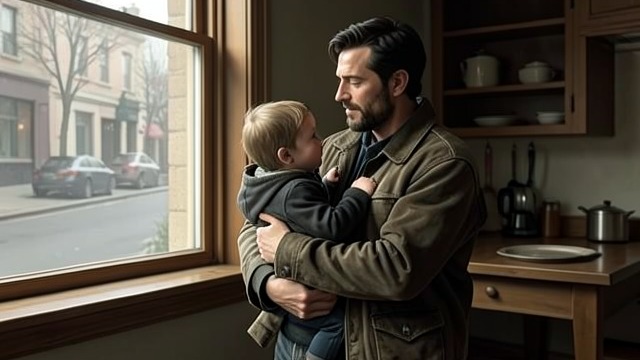
A Life He Loves
Domestic belonging
Hoffmann’s ordinary life centers on Zofia, Hugo, and Rasmus: nursery pickups, meals, small rituals, and the warmth of home. Their presence gives meaning to a man who once lived primarily for himself.
He measures the value of his work against this life, even when he cannot admit how much he risks.
A hidden cost
His undercover work requires constant lies about clients, travel, and time away. The family’s trust is the foundation that lets him function, but each lie weakens that foundation.
Home remains his refuge and the part of himself most endangered by the operation.
A Lie at Pickup
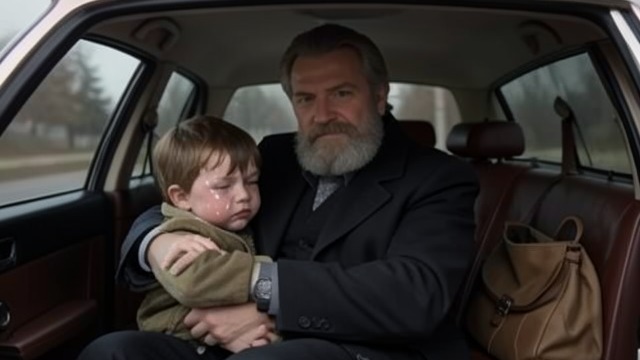
The Children in the Car
Work disguised
Hoffmann takes the feverish boys with him while arranging meetings and transporting evidence. He tells them that he has business to attend to, concealing the murder-related shirt and his criminal work.
The ordinary task of caring for sick children overlaps with dangerous operational errands.
A broken boundary
He recognizes that bringing them into this world violates a promise he made when recruited. His shame grows as he watches them trust him without knowing the danger.
The incident marks a shift from abstract risk to a direct threat to his family.
Truth Told at Last
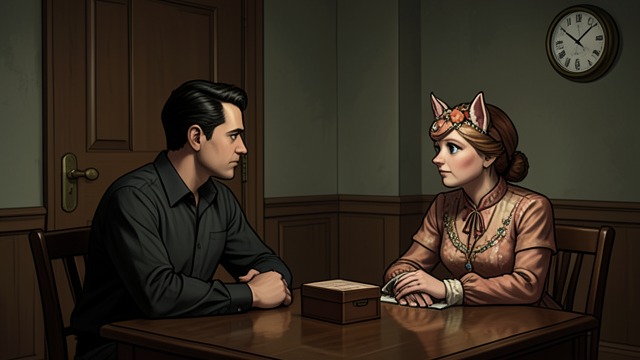
The Confession
A planned explanation
Hoffmann tells Zofia that he has been a police infiltrator, has continued criminal activity, and will be arrested and imprisoned as part of a plan. He asks her to listen before deciding what to do.
The confession includes the fabricated identity and the long sentence he expects to serve.
Silence as an answer
Zofia does not argue or offer reassurance. She goes to bed, leaving Hoffmann uncertain whether their marriage can survive the truth.
He leaves a safe-deposit key and instructions, giving her a way to act if he contacts her later.
A Warning Without Details
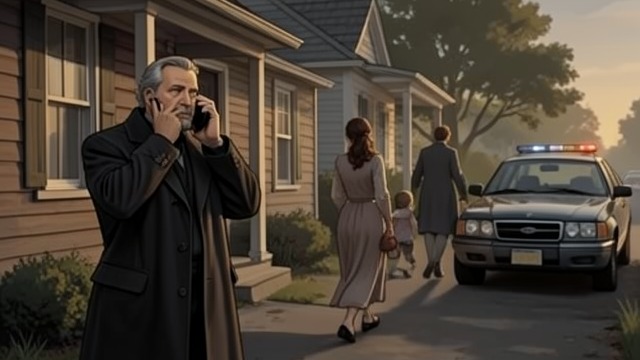
Getting Them Away
Two brief calls
Hoffmann uses prison phone access to call Zofia twice during the siege. The calls are short and their contents remain unknown, but they occur as danger escalates around him.
Zofia leaves work and collects the boys earlier than usual.
A protective disappearance
When police later search for the family, their home is empty and the usual contacts have not seen them. Grens concludes that Hoffmann warned them and helped them disappear.
Their absence protects them from the immediate consequences of the operation, while leaving their future relationship with Hoffmann unresolved.
The Safe-Deposit Choice
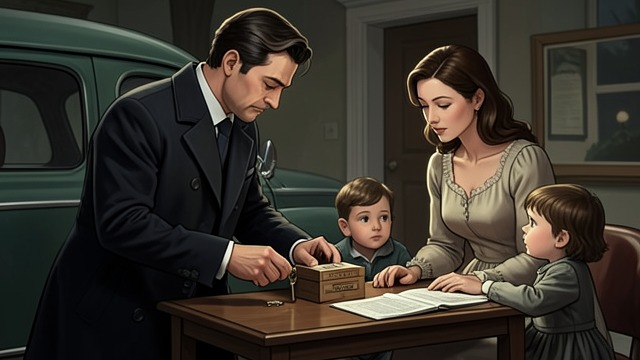
A Future in Her Hands
Instructions left behind
Hoffmann has placed passports, recordings, money, and directions in a safe-deposit box for Zofia. The contents are intended to help her and the children act if his operation reaches its crisis point.
He cannot know whether she will use them or whether she still wants to share a life with him.
Love without certainty
His final calls and preparations show that family is not a comfort he can command; it is a relationship dependent on Zofia’s independent choice.
The narrative leaves her and the children safely beyond the immediate investigation, but does not resolve the marriage.
Before the Västmannagatan operation
The day after the shooting
Thursday night, before the staged arrest
During the final hostage crisis
After the family disappears from Stockholm
